How Diabetes Impacts Wound Healing & What You Can Do About It
Diabetes slows down the body’s healing, so cuts, sores, and ulcers can get infected more easily and take longer to heal. Poor circulation reduces blood flow, and nerve damage can hide pain, making it harder to notice problems early. Learning about diabetes and wound healing helps you protect your health. Daily foot care and regular checks are important. Seeing a healthcare professional promptly can help wounds heal, and treatments such as Vaporox, debridement, and offloading may speed recovery and lead to better outcomes.
How Diabetes Affects Wound Healing
Diabetes makes it harder for the body to heal wounds because it causes poor circulation and nerve damage. High blood sugar can narrow and stiffen blood vessels, reducing the amount of oxygen and nutrients that reach wounds. Nerve damage, especially in the feet, can stop you from feeling pain, so small injuries might go unnoticed and get worse. Diabetes also weakens the immune system, making infections more likely and healing more difficult.
Common Types of Diabetic Wounds
People with diabetes often get wounds like foot ulcers and infections. Foot ulcers are open sores that usually appear on the bottom of the feet. These ulcers are a concern because they heal slowly and can easily get infected. They may start from small injuries, shoes that don’t fit well, or unnoticed cuts caused by nerve damage.
If wounds aren’t treated properly, they can become infected. Even a small cut or blister can turn into a serious infection, which might lead to problems like gangrene or even amputation. Knowing these risks shows why it’s important to care for wounds right away.
Recognizing Symptoms and Complications
Early detection of diabetic wounds is key to effective treatment. Watch for redness, swelling, warmth, or discharge around a wound. These signs could mean there’s an infection that needs quick medical care. If a wound isn’t healing after a few weeks, see a healthcare professional.
Untreated wounds can quickly cause more problems. Look out for more pain, a bad smell, or redness that spreads; these can be signs of a deeper infection. Acting fast can help prevent serious health issues.
Prevention and Care Tips for Diabetic Wounds
Preventing wounds is an important part of managing diabetes. Check your feet every day for cuts, blisters, or any changes in the skin. Wearing shoes and socks that fit well can help you avoid pressure and injuries.
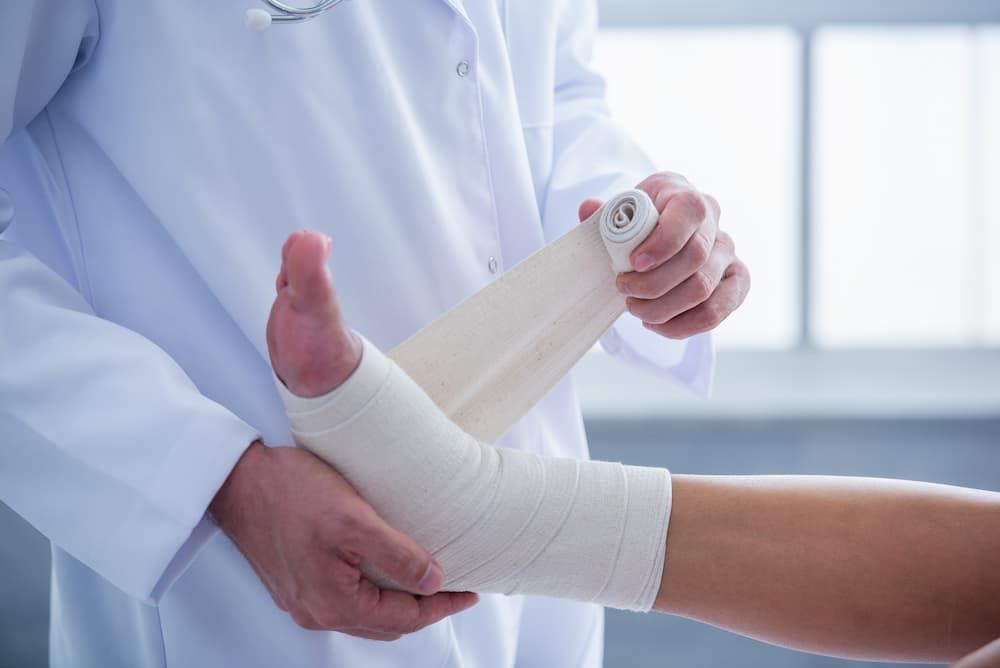
Basic wound care means keeping the wound clean and covered to prevent infection. Change the dressings often and use antiseptic solutions to help with healing. Keeping your blood sugar under control also helps your body heal.
Routine Foot Inspections
Checking your feet every day is an easy and effective way to prevent serious problems. Wash and dry your feet well, then look for cuts, blisters, or changes in color. Be sure to check between your toes and on the bottoms of your feet. Use a mirror or ask someone to help you see all areas.
Professional Wound Care
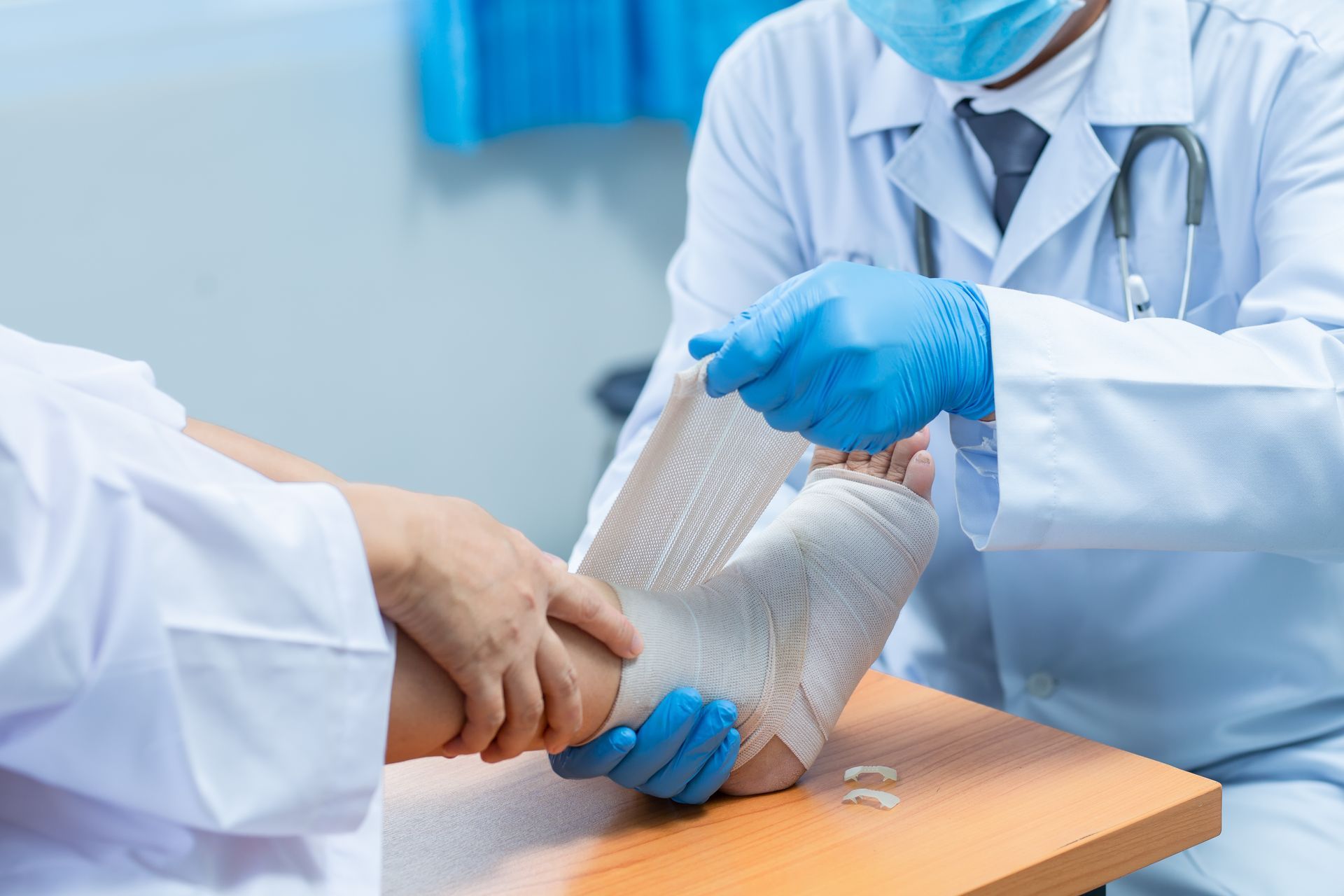
Getting professional care can make a big difference for diabetic wounds. Treatments like Vaporox use ultrasound to boost blood flow and reduce swelling, which helps wounds heal faster. Debridement removes dead or damaged tissue, making it easier for the wound to recover and lowering the risk of infection. Offloading takes pressure off the wound, which is especially helpful for foot ulcers and helps them heal better. Seeing a wound care specialist regularly means problems can be found early and advanced treatments can be used in time, helping you stay healthy and mobile.
Take the Next Step in Healing Your Diabetic Wounds
Knowing how diabetes affects wound healing can help you avoid problems and recover faster. Checking your feet every day, caring for wounds, and noticing changes early can lower the risk of infection and slow-healing sores. Professional care provides access to advanced treatments such as Vaporox, debridement, and offloading, which help wounds heal more effectively.
For anyone managing diabetes and concerned about wound healing, scheduling a professional evaluation ensures timely care and protection against complications. Book a wound evaluation with Advanced Wound Care of Downriver today to give your wounds the attention they need.
Image credit:
// Shutterstock // megaflopp